


Texas law requires all drivers to demonstrate financial responsibility to operate a vehicle. Most drivers do this by maintaining at least minimum liability insurance coverage. Liability insurance covers payments to repair or replace the car of the person you get into an accident with and pays their medical expenses, if applicable when you are at fault in an accident.
Tag: Texas
Watts Guerra Fiesta Night Parade 2022

It’s the second year in a row that we are fortunate enough to gather with our friends in the community and celebrate Fiesta by watching the Texas Cavaliers River Parade.
Guerra LLP Christmas Party 2021
In 2020, our annual Watts Guerra Christmas party was put on hold due to the pandemic, but this year we brought it back in full force!

Distracted Driving
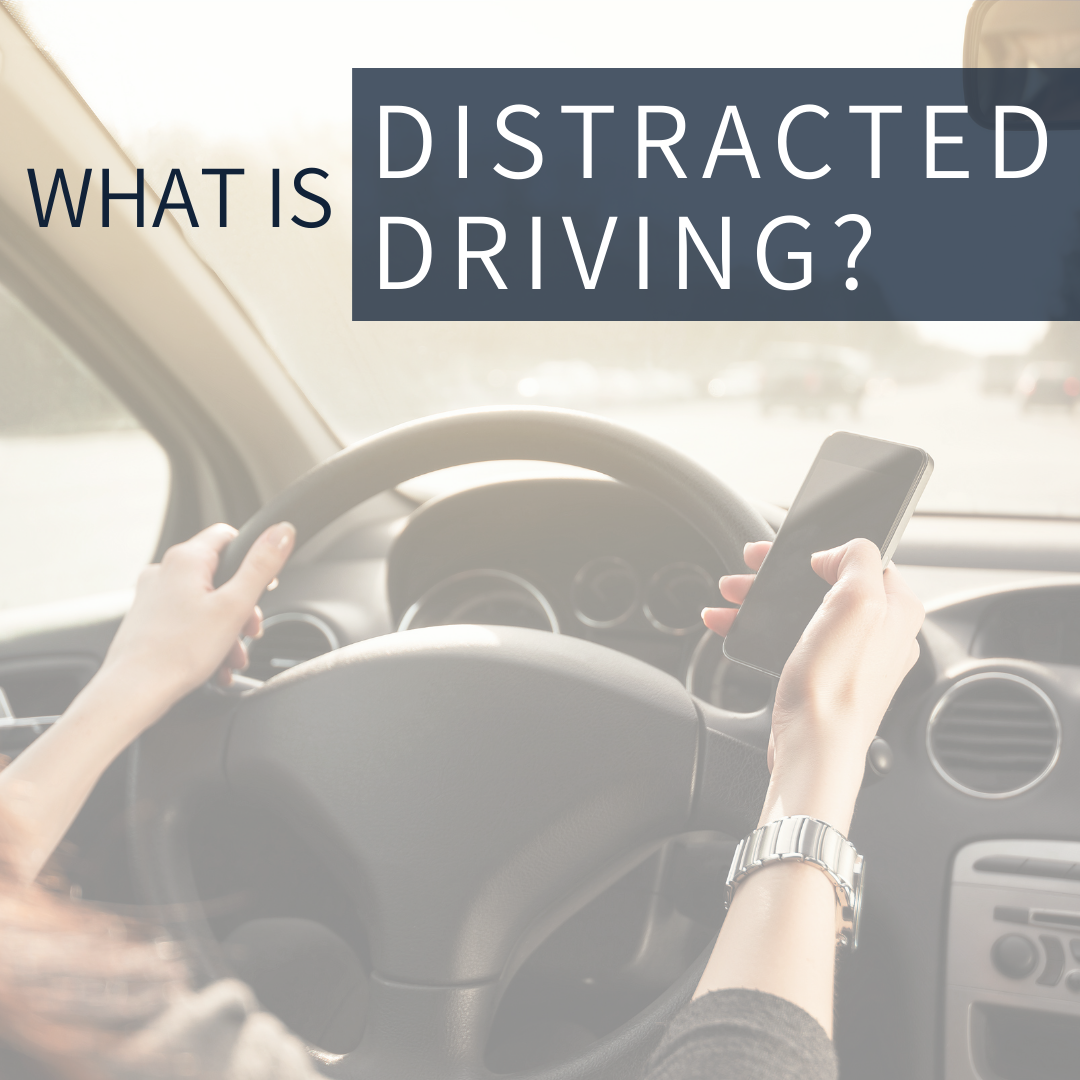
Distracted Driving continues to threaten the safety of every driver and passenger on Texas roadways. Inattention behind the wheel accounts for 18% of all accidents in the state of Texas, causing nearly 100,000 crashes annually[1]. Momentarily taking your eyes off the road to adjust the radio, reply to a text message, or browse through social media compromises your ability to safely operate a motor vehicle. Drivers who partake in these types of negligent behaviors put themselves and everyone else on the road in danger. So, what is distracted driving and how can it be prevented?
Using Criminal Proceedings in Personal Injury Cases
Many personal injury cases arise from criminal conduct. For example, if you are hit by a drunk driver, you have a negligence claim against the drunk driver, and the driver can be arrested for drunk driving. If the drunk driver is arrested, the criminal charges against him will likely be resolved before the civil trial. While the jury is still out on what the average time of civil and criminal cases are post-COVID, [1] Texas law requires courts to prioritize criminal cases over civil ones to protect a defendant’s right to a speedy trial.[2] Since the criminal charge and the personal injury lawsuit arose out of the exact same accident, much of the evidence useful in one lawsuit will be useful in the other, too. Criminal cases produce a number of documents and evidence that can help a personal injury plaintiff win her case: police reports, police investigatory documents, evidence seized from the defendant, witness statements, material disclosed voluntarily by third parties, and even information shared by overseas authorities.
Continue reading “Using Criminal Proceedings in Personal Injury Cases”