

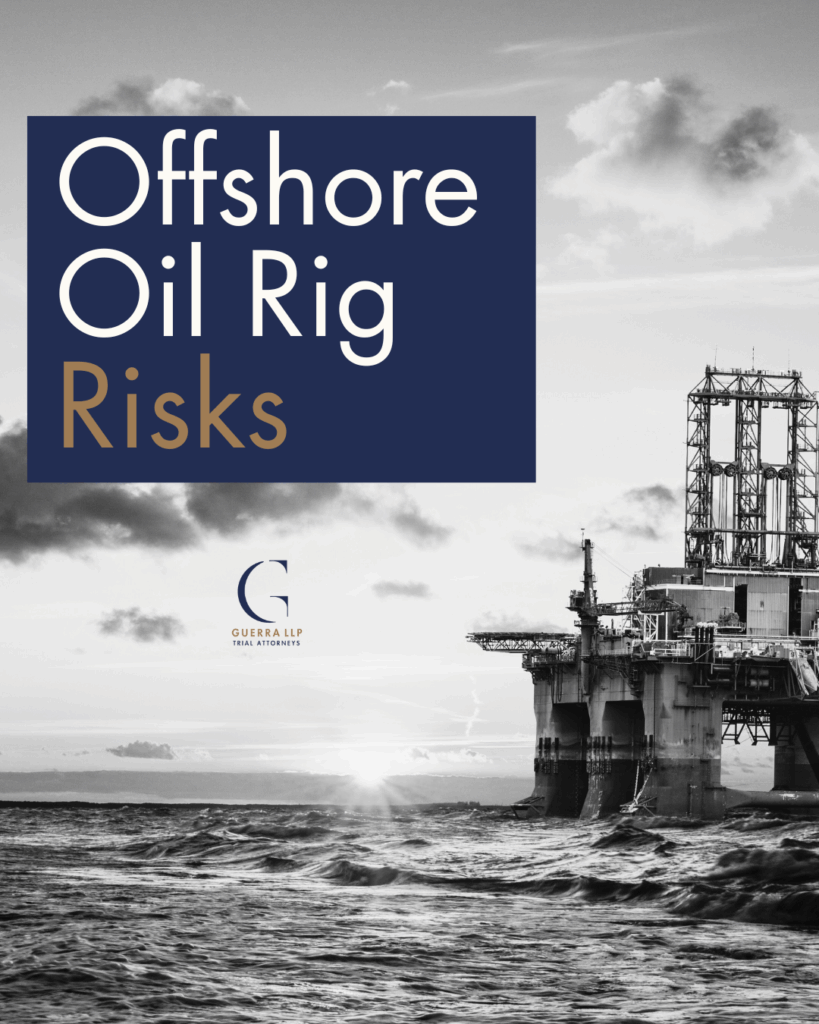
Understanding the Dangers in One of the World’s Most Hazardous Professions
Offshore oil rigs represent some of the world’s most hazardous work environments according to OSHA, merging the inherent dangers of petroleum extraction with the additional challenges of severe weather, isolation, structural vulnerabilities, and distance from emergency assistance.
Positioned hundreds of miles from the shore in unforgiving waters, these massive structures expose workers to a unique combination of industrial hazards that few other professions can match. According to Industry Safety and Hygiene News, oil rig work ranks as the third most dangerous profession globally – a designation that reflects the multiple life-threatening hazards workers face during every shift.¹
The human cost of offshore drilling has been starkly illustrated through decades of disasters. The Piper Alpha disaster of 1988 killed 167 workers in the North Sea, while the Deepwater Horizon explosion of 2010 claimed 11 lives and triggered an unprecedented environmental catastrophe. These tragedies underscore how minor mistakes can escalate into major disasters within seconds when safety fails on an offshore platform. The complexity of offshore operations, combined with the volatile nature of petroleum products and the harsh marine environment, creates a workplace where comprehensive safety awareness and rigorous protocols are matters of life and death. Understanding these risks proves essential for the workers who brave these conditions daily, as well as for the companies, regulators, and safety professionals responsible for maintaining standards in one of the world’s most challenging work environments.
Fire and Explosion Risks
Fire and explosion represent the most severe immediate dangers on offshore oil rigs, where the combination of volatile hydrocarbons, high-pressure equipment, and confined spaces creates an environment primed for disaster.² These floating industrial complexes process thousands of barrels of crude oil and millions of cubic feet of natural gas daily, with flammable vapors present at nearly every stage of extraction and processing. The confined nature of offshore platforms means that a single spark from faulty equipment, static electricity, or hot work operations can trigger an inferno that engulfs an entire platform within minutes, trapping workers with limited escape routes to the surrounding ocean.² The threat becomes particularly acute during drilling operations, where unexpected gas pockets can cause sudden releases of pressurized hydrocarbons that instantly ignite upon contact with any ignition source. The isolation from shore-based firefighting resources means that once a fire takes hold, the massive fuel reserves present on the platform can transform a manageable incident into an unstoppable catastrophe.² Historical incidents have repeatedly demonstrated that fires on offshore rigs can become deadly within seconds, with heat and smoke spreading rapidly through interconnected modules and living quarters, leaving workers with few options for escape.
Fire Prevention on Oil Rigs
Fire Prevention Systems
Modern offshore rigs employ multiple layers of fire prevention and suppression systems to combat these risks. Physical barriers, firewalls, and blast walls separate processing areas from living quarters, while sophisticated gas detection systems continuously monitor for hydrocarbon leaks, triggering automatic shutdowns and alarms at the first sign of danger.² Deluge systems stand ready to drench entire sections of the platform with seawater, while strategically placed fire extinguishers and foam suppression systems provide immediate response capabilities. All electrical installations must meet stringent hazardous area classifications, with explosion-proof equipment mandatory in zones where flammable gases may accumulate.²
Fire Prevention Training
The human element remains crucial in fire prevention and response. Every worker receives comprehensive training on fire prevention, emergency procedures, and evacuation protocols, including understanding prohibited activities in hazardous zones, recognizing warning signs like unusual odors or equipment malfunctions, and participating in weekly emergency drills.² Workers must understand the fire triangle—fuel, oxygen, and ignition—and their role in breaking it, maintaining constant vigilance through strict adherence to smoking restrictions, proper handling of flammable materials, and immediate reporting of any anomalies that could signal danger.
Blowouts
Blowouts represent one of the most destructive events that can occur on an offshore oil rig, happening when underground pressure overwhelms drilling controls and sends a violent eruption of oil, gas, and drilling marine, mud shooting through the wellbore.² This uncontrolled release can transform into a towering column of hydrocarbons that may ignite instantly upon reaching the surface, creating a massive fireball capable of destroying an entire platform and claiming multiple lives within seconds. The immense underground pressures encountered during deepwater drilling, sometimes exceeding 10,000 pounds per square inch, mean that when control is lost, the resulting force can be devastating, capable of launching equipment skyward and tearing through steel structures like paper.²
Defense Against Blowouts
The primary defense against blowouts is the Blowout Preventer (BOP), a massive mechanical device that serves as the last line of defense between a high-pressure reservoir and the surface. These complex systems, which can weigh up to 400 tons and stand several stories tall, contain multiple redundant sealing mechanisms, including shear rams capable of cutting through drill pipe and sealing the well, blind rams that close off the open hole, and annular preventers that create pressure-tight seals around equipment of various sizes.² Modern BOPs are equipped with multiple backup systems. They can be activated remotely from several locations; however, their effectiveness depends entirely on proper installation, regular testing, and an immediate response when warning signs appear.
Monitoring
Prevention of blowouts requires comprehensive monitoring throughout drilling operations, with crews constantly watching mud weights and circulation patterns for signs of a “kick”—formation fluids entering the wellbore that signal rising pressure.² Sophisticated early warning systems track multiple parameters simultaneously to detect anomalies before they escalate, while regular pressure testing of all wellhead equipment, casing strings, and cement barriers ensures structural integrity.
The human factor proves equally critical, as drilling teams must maintain strict adherence to well control procedures, conduct regular drills simulating blowout scenarios, and foster a culture where any crew member can stop operations if they observe unsafe conditions, because when dealing with such massive underground forces, seconds of hesitation can mean the difference between a controlled shutdown and a catastrophic blowout.²
Structural Risks
Structural collapse poses a constant threat to offshore oil rigs, as these massive platforms endure relentless battering from ocean storms, salt corrosion, and metal fatigue while supporting thousands of tons of equipment and personnel.² Years of exposure to hurricane-force winds, pounding waves sometimes exceeding 100 feet in height, and corrosive saltwater can weaken steel supports, crack welds, and compromise structural integrity, creating the potential for catastrophic failure that can send entire sections plummeting into the sea within seconds.² The continuous stress from drilling operations, combined with the dynamic loads from crane operations and the constant vibration from machinery, accelerates metal fatigue and can cause sudden structural failures without warning.
Beware of Falling Objects
On drilling platforms, powerful vibrations from boring operations can dislodge tools, equipment, and structural components from derrick towers and crane booms high above the deck, creating a constant threat to workers below.² The confined, multi-level nature of offshore rigs means that a simple wrench dropped from 100 feet above becomes a deadly projectile capable of penetrating hard hats and causing fatal injuries. Shifting cargo during crane operations, swinging loads in high winds, and equipment failures can send tons of steel crashing down onto work areas below. Additionally, ice formation in cold climates can create further falling hazards as chunks break free from elevated structures.
Safety Measures
Workers must maintain constant situational awareness in this environment, wearing hard hats, steel-toed safety boots, and other protective equipment always, while following strict protocols for securing tools and materials.² Tool tethering programs, safety nets, and toe boards help prevent objects from falling. At the same time, exclusion zones beneath crane operations and elevated work areas provide additional protection. Regular structural inspections using advanced techniques, such as ultrasonic testing and radiographic examination, help identify weakening components before they fail. However, in an environment where massive forces and heavy machinery operate continuously overhead, a moment’s inattention or a single unsecured object can trigger a cascade of failures that endangers the entire platform. ¹
Marine Environment Risks
The marine environment itself presents numerous dangers to offshore workers, from severe weather conditions to the challenges of working over deep water with strong currents and massive waves.² Hurricanes, gales, and storms can strike with little warning, generating winds exceeding 150 miles per hour and waves that can overtop even the highest platforms.¹ These extreme weather events not only threaten the structural integrity of the rig but can also cause collisions with support vessels, helicopter accidents during evacuation attempts, and make rescue operations virtually impossible.² Rogue waves, those unpredictable giants that can reach heights of 100 feet or more, pose a particular threat, capable of sweeping workers overboard or causing catastrophic structural damage without warning.
Chemical Exposure Risks
Chemical exposure represents another significant risk on offshore platforms, where workers are exposed to a complex array of hazardous substances used in drilling operations and equipment maintenance.² The drilling process alone involves numerous chemicals, including biocides, polymers, suspension and rheology modifiers, surface agents, and specialty cements, each with specific handling requirements and potential health impacts.¹ Many of these substances can cause immediate harm through skin contact or inhalation, while others may lead to cancer or other serious diseases only after years of exposure.¹
Workers may encounter these hazards through direct contact during mixing operations, inhalation of vapors in confined spaces, or accidental ingestion through contaminated food or water. The confined nature of offshore platforms amplifies chemical hazards, as poor ventilation in some areas can allow toxic vapors to accumulate to dangerous levels. Hydrogen sulfide gas, naturally present in many oil reservoirs, poses a particularly deadly threat, capable of causing instant unconsciousness and death at high concentrations. Workers must consistently wear appropriate personal protective equipment, including respirators, chemical-resistant clothing, and specialized gloves, while adhering to strict protocols for chemical handling, storage, and disposal.² Regular air quality monitoring, proper ventilation systems, and emergency decontamination facilities provide additional protection. Still, the variety and volatility of chemicals present mean that workers must remain constantly vigilant to avoid exposure.
Human Risks
Beyond the physical hazards, human factors play a crucial role in offshore safety, with worker fatigue emerging as a particularly significant risk multiplier.
Long Working Shifts
The typical offshore rotation, often involving 12-hour shifts for 14 to 28 consecutive days, combined with the physical demands of the work and the stress of living in a dangerous environment, creates conditions where exhaustion becomes endemic.¹ Tired workers make mistakes, miss warning signs, and react more slowly to emergencies, turning routine operations into potential disasters.
Isolation
The isolation from family and everyday life, combined with the confined living conditions and constant noise from machinery, affects mental health and decision-making capabilities, further compromising safety.
Varying Training and Experience
Training and experience levels vary significantly among offshore workers, with new employees particularly vulnerable to accidents as they learn to navigate the complex hazards of platform life.¹
Language Barriers
Language barriers on international crews can complicate communication during emergencies, while the pressure to maintain production schedules may lead to shortcuts in safety procedures.
Fear of Whistleblowing
The hierarchical nature of offshore operations can sometimes discourage workers from reporting safety concerns or stopping operations when they observe hazardous conditions, creating situations where known hazards go unaddressed until they lead to accidents.
Economic Pressures
The economic landscape of the oil and gas industry significantly impacts offshore safety. Volatile oil prices and competitive market pressures can incentivize cost-cutting measures that compromise safety protocols. Deferred maintenance, reduced safety budgets, and pressure to maintain production despite equipment problems represent recurring challenges that operators face when balancing financial viability with worker protection.
Moving forward, the challenge for the offshore industry lies in maintaining and improving safety standards while facing economic pressures and aging infrastructure. This requires continued investment in safety technology, comprehensive training programs, and a culture that empowers every worker to prioritize safety above all else. Only through understanding and respecting the immense dangers present on offshore oil rigs can the industry hope to protect the brave men and women who risk their lives to extract the energy resources that power our modern world. Their safety depends not just on technology and procedures, but on a fundamental commitment from everyone involved—from company executives to platform workers—to never normalize these dangers or become complacent in the face of risks that demand eternal vigilance.
Written by:
Olivia Olivarez-Coil
Law Clerk
GUERRA LLP
875 East Ashby Place, Suite 1200
San Antonio, Texas 78212
Phone: (210) 447-0500
Frank Guerra
Board Certified – Personal Injury Law
Texas Board of Legal Specialization
GUERRA LLP
875 East Ashby Place, Suite 1200
San Antonio, Texas 78212
Phone: (210) 447-0500
Be sure to follow us on Instagram and Facebook to see more Guerra LLP news!
-
What Are The Most Common Oil Rig Injuries?, DUNN SHEEHAN, https://www.dunnsheehan.com/news-insights/7-common-oil-rig-injuries (last visited Dec. 1, 2025).
-
Understanding the 6 Main Hazards of Offshore Oil and Gas Rigs, OTEPLACE, https://www.oteplace.com/en/Blog-risks-working-offshore-rig (last visited Dec. 1, 2025).
-
Safety Hazards Associated with Oil and Gas Extraction Activities, OCCUPATIONAL SAFETY & HEALTH ADMIN., http://www.osha.gov/oil-and-gas-extraction/hazards (last visited Dec. 1, 2025).